The Tornado Nobody Saw
- Challenge
- A hillside home flooded by a creek, with no flood coverage and an owner who figured he’d get nothing.
- Solution
- I found wind damage in rooms the falling limb never touched, then found the weather data to prove it.
- Impact
- On a $240,000 claim, my report supported about $180,000 for a family that expected close to nothing.
How a racked wall turned a flood claim into a wind claimClose the story
The challenge
In 2024 I had four deployments: three to Houston and one long one to North Carolina after Hurricane Helene. Helene was the hardest work I’ve done as an adjuster, because so few of those homeowners had flood coverage. The mountains don’t look like flood country, so nobody bought it.
One of those homeowners lived on the side of a mountain, above a creek that’s basically a string of waterfalls. It’s the last place on earth anyone would think to insure against a flood. The creek flooded anyway, and a tree-sized limb came down through his roof. When I pulled up, his family was picking through what was left of their things. He knew he didn’t have flood coverage, and he figured that meant he’d get nothing.
The solution
The limb was the obvious damage, and it was what everybody was looking at. But walking the rest of the house, I noticed the top plates pulling away from the walls in rooms the limb never touched. Those walls had been racked sideways. That’s not what rising water does to a house. That’s wind.
So I followed the hunch. I went to the National Weather Service’s tornado track data and found that an EF-2 tornado had passed within a quarter mile of the house, right at the edge of the survey’s margin of error. Nobody had connected that tornado to this house.
That changed the whole claim. Flood was excluded. Wind was covered. My job became separating the two, line by line, and backing up every line with the evidence and the policy language. I attributed the damage from two feet up to the tornado and backed out everything the flood caused.
The impact
On a claim of roughly $240,000, close to the policy limits, my report supported about $180,000 in payment, for a family that expected close to nothing.
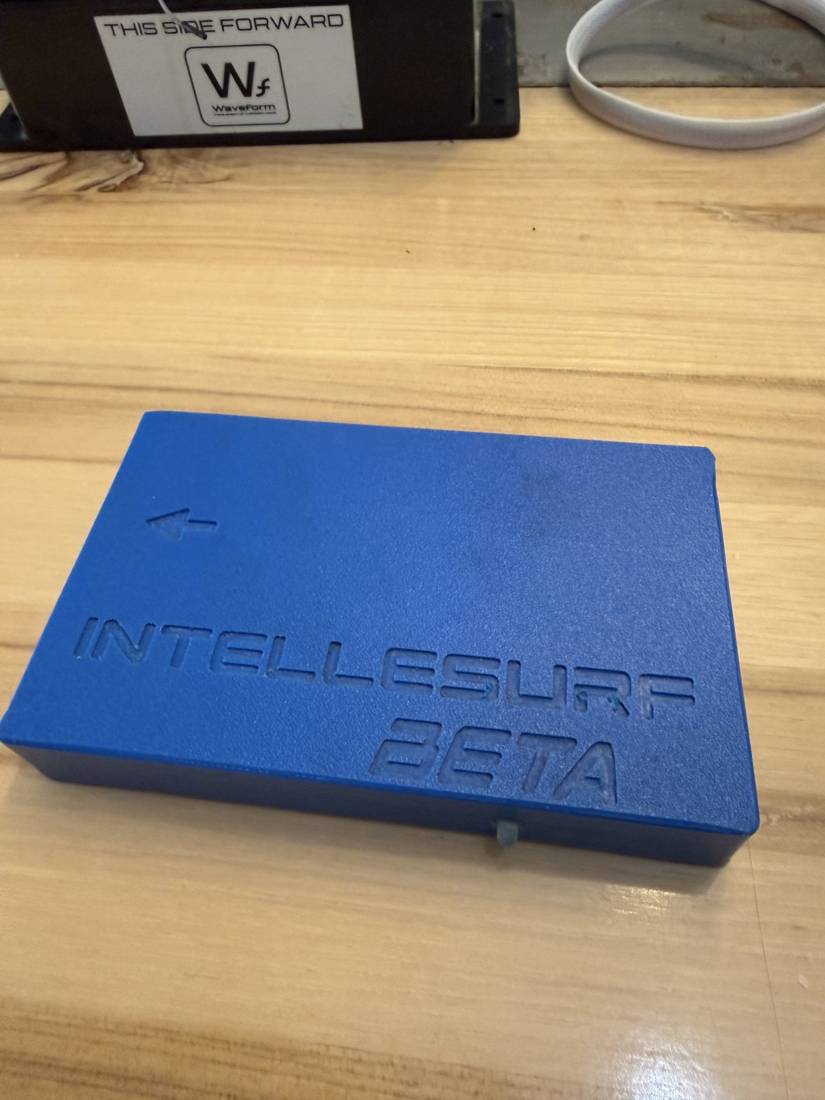
There was one smaller thing, too. I had a pile of USB power banks left over from IntelleSurf, a boat sensor project you’ll read about below, so I left a few with that family so they could keep their phones charged and keep their kid’s iPad running. By the end of Helene I’d given away about a hundred of them.
Most days in this job, I’m delivering hard news to people on the worst day of their lives. The job is to know the rules cold, look harder than anybody else, and find every legitimate yes.
That’s the same thing I’d want to do for a software company’s customers: understand the rules of the product better than anyone, listen to what the customer is actually up against, and find the path that works.